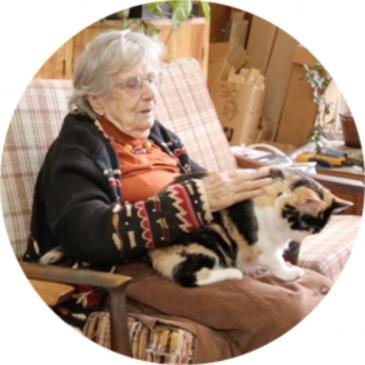
When Dahlov draws, she goes to zoos and farms, observes her own pets, or watches movies to see animals in motion: gliding, galloping, hopping, or trotting. She says,
“I can’t work from
photographs. I’ve trained my memory—my visual memory so that I could see the animals in actions and I can see just in my mind how the zebras look and run and how the lions move.”
—Dahlov Ipcar
Animals in Motion
Try your hand at drawing moving animals by watching a video and sketching along. How is it different from sketching from a still painting or photograph?
Red Panda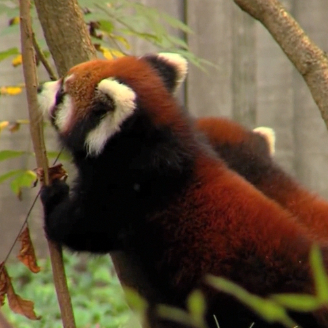
Sloth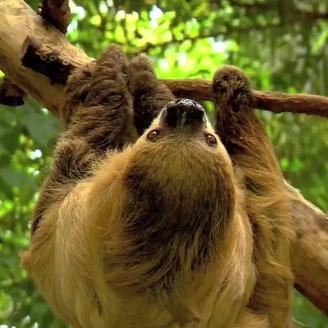
Giraffe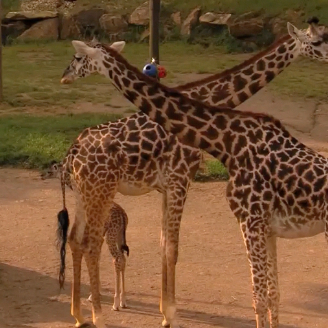
Okapi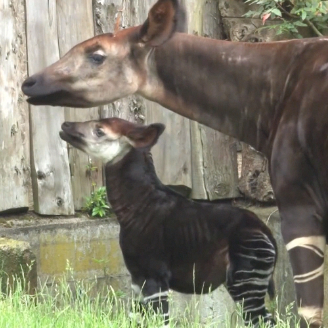
Otter
Tiger Cub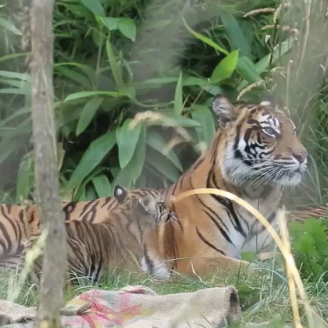
Moose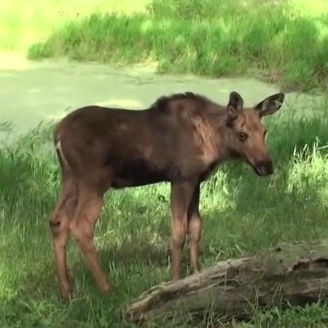
Tapir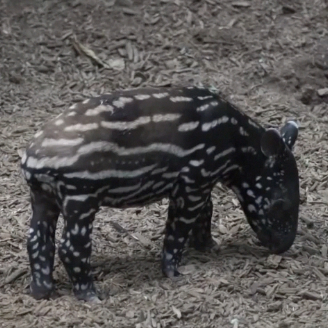
Brown Bear
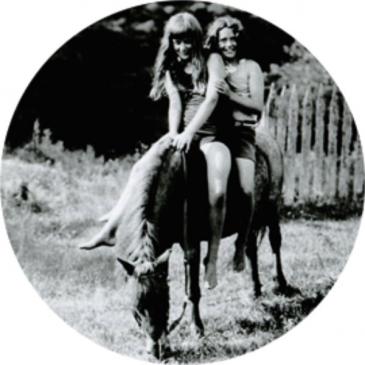
When Dahlov was a young child, she tried hard to make her art look realistic. By the time she became a teenager, she realized other things mattered more to her than representation, such as colors, patterns, and shapes. She says,
“It took me a while to develop a style that worked for me…and finally I landed on geometric shapes.”
—Dahlov Ipcar
Starting with Shapes
Look at how Dahlov uses shapes—squares, triangles, rectangles, and more—to create her animals’ bodies. Draw your own animal. Make the body using shapes, then fill in the figure with patterns.
-
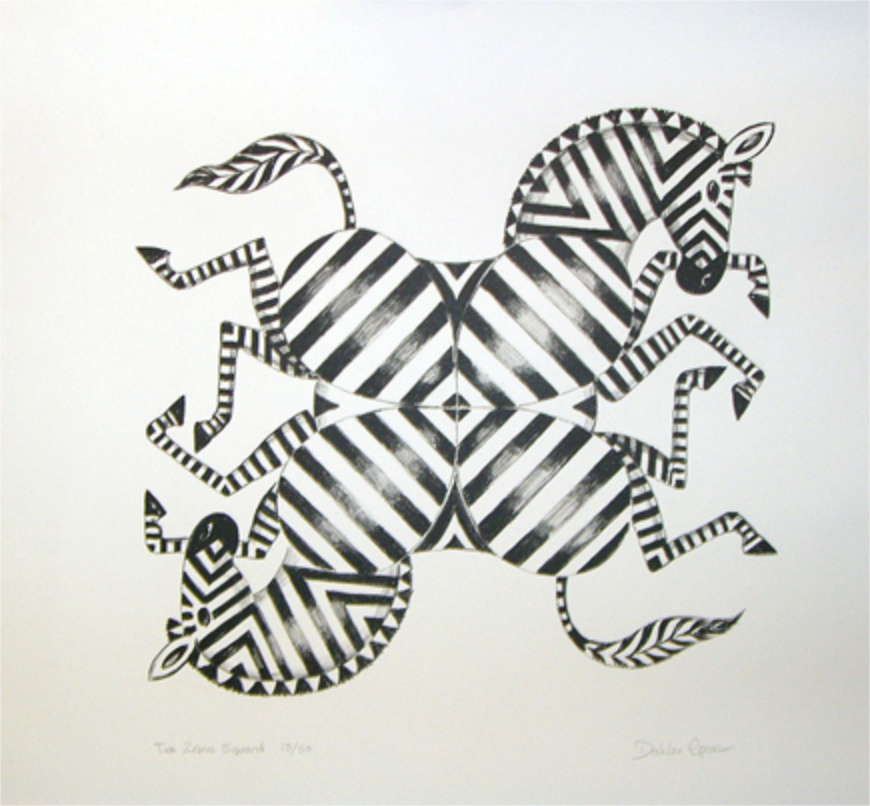
Two Zebras Square, 1987, 1995.37.1 -
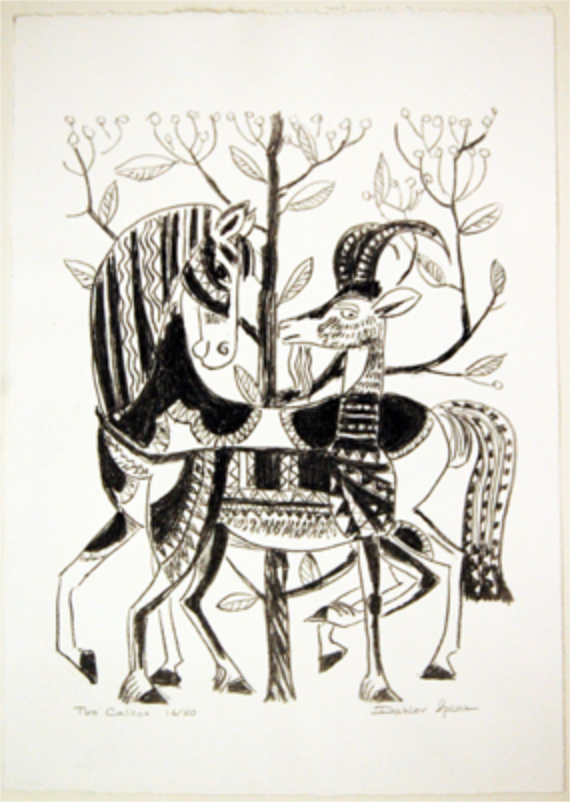
Two Calicos, 2011, 2011.22 -
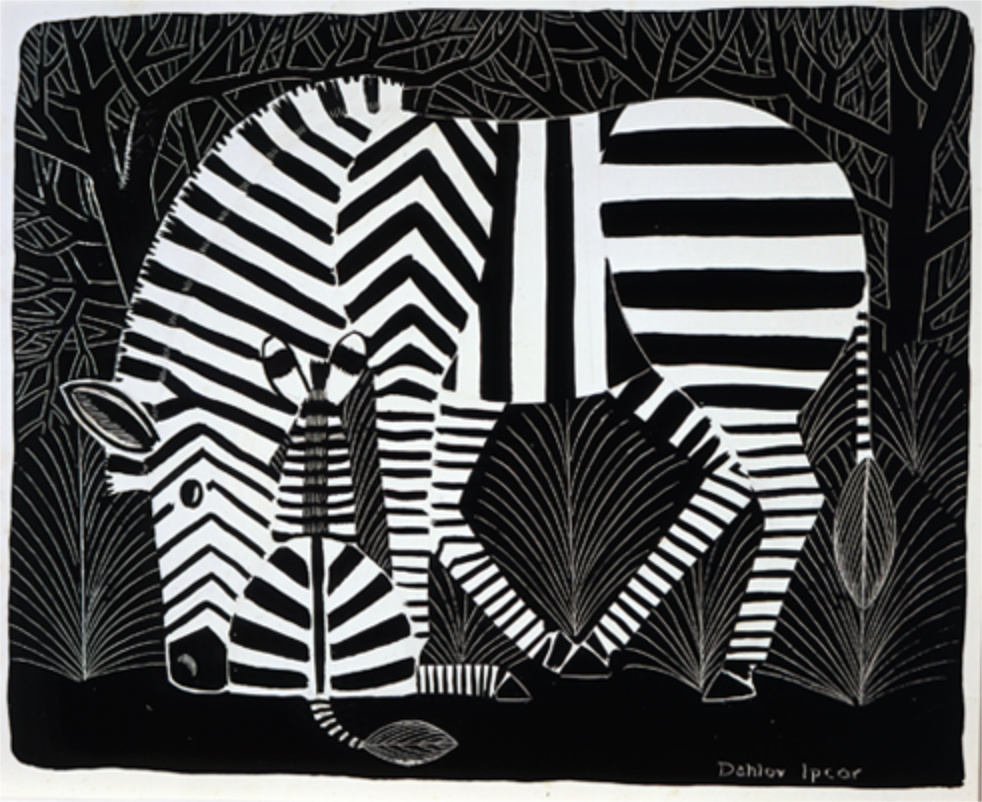
Zebra Mare and Foal, 1969, 1979.35 -
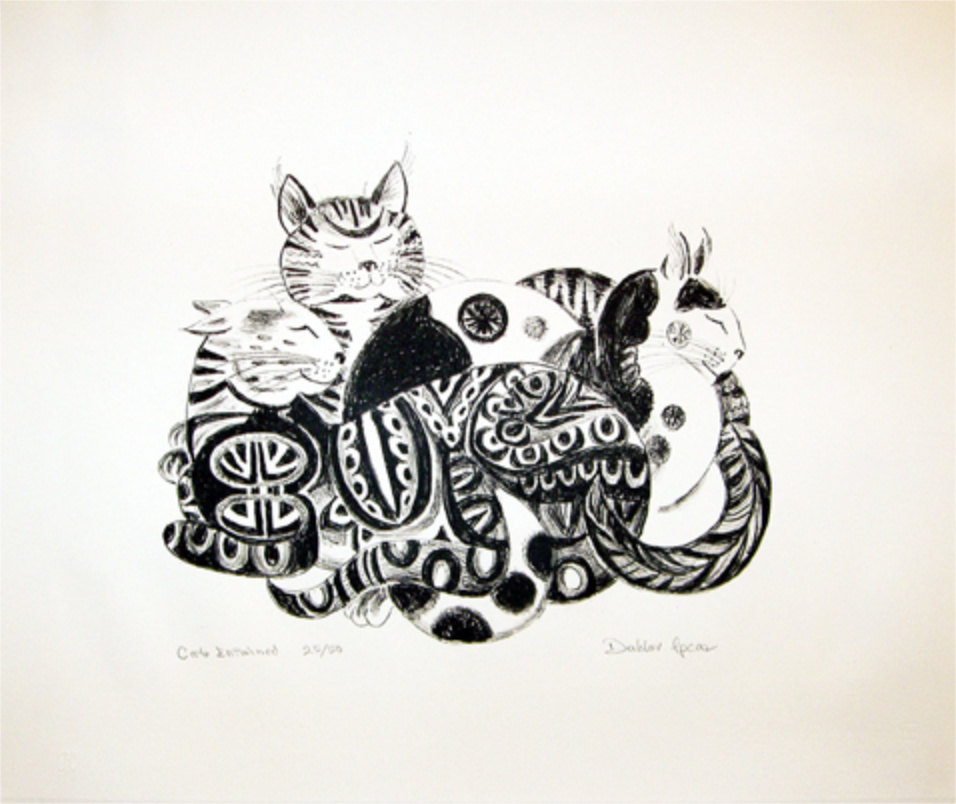
Cats Entwined, 1996, 1996.47.1 -
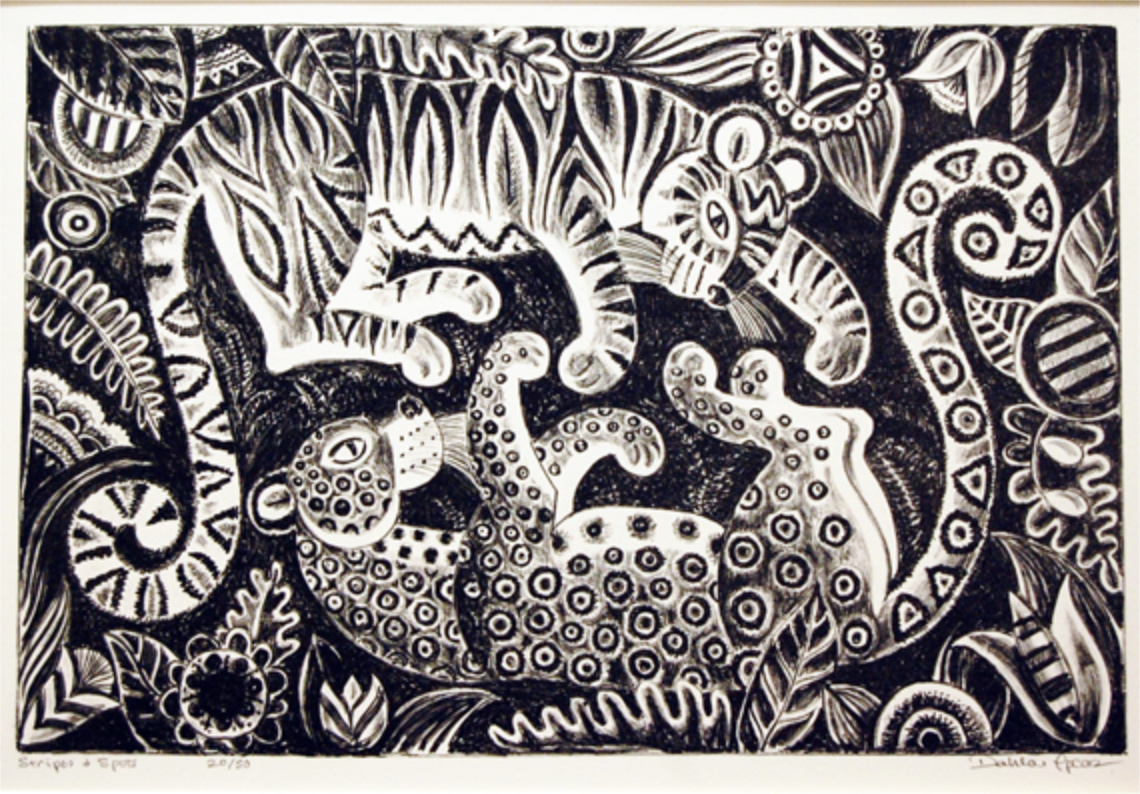
Stripes and Spots, 1993, 1995.37.12
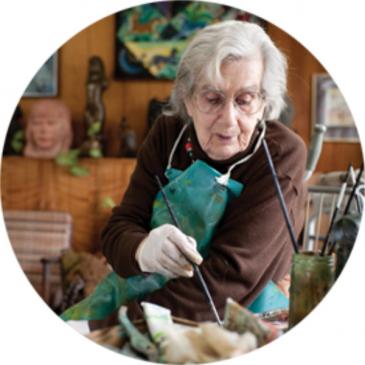
“I do better to paint from my imagination…I went to zoos and I went to the natural history museum when I was younger…I saw okapi, and giraffes and tigers and lions and all the animals and I still remember them all.”
—Dahlov Ipcar
Drawing from Memory
Close your eyes and think of an animal—a pet, a squirrel in your backyard, the seagulls over Portland. Can you remember the details? Use your imagination to fill in the rest.
-
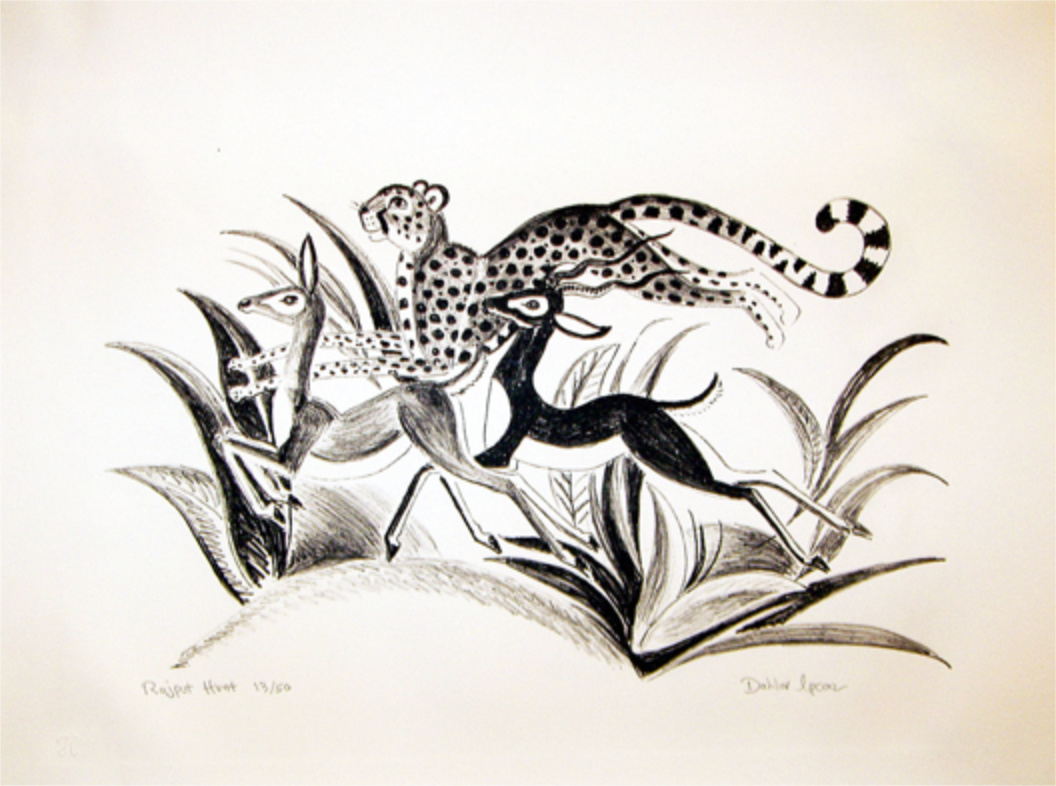
Rajput Hunt, 1996, 1996.47.2 -
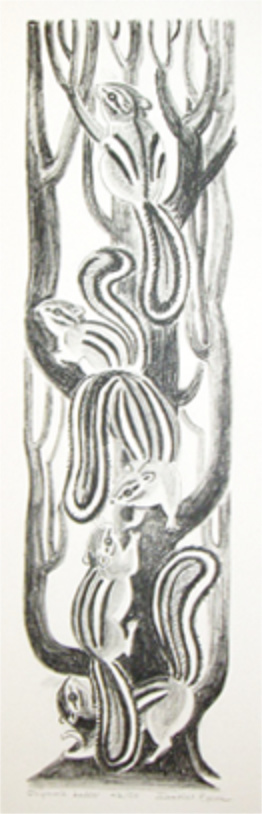
Chipmunk Ladder, 1983, 1995.37.10 -
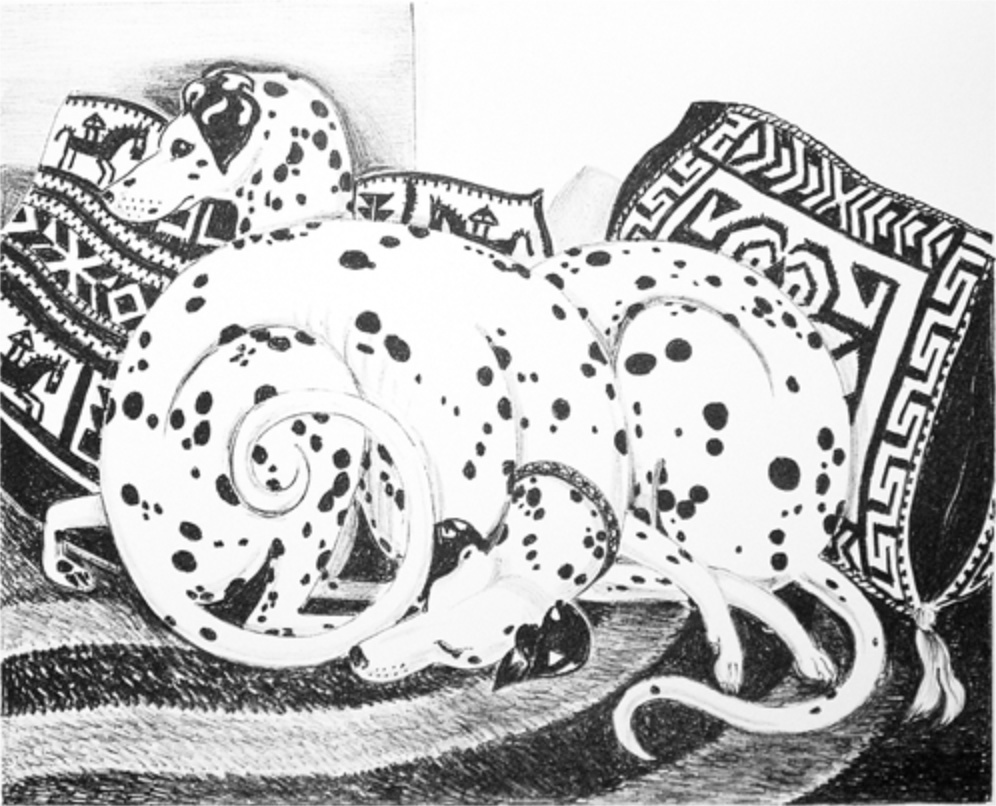
Two Dalmatians, 1990, 1995.37.4 -
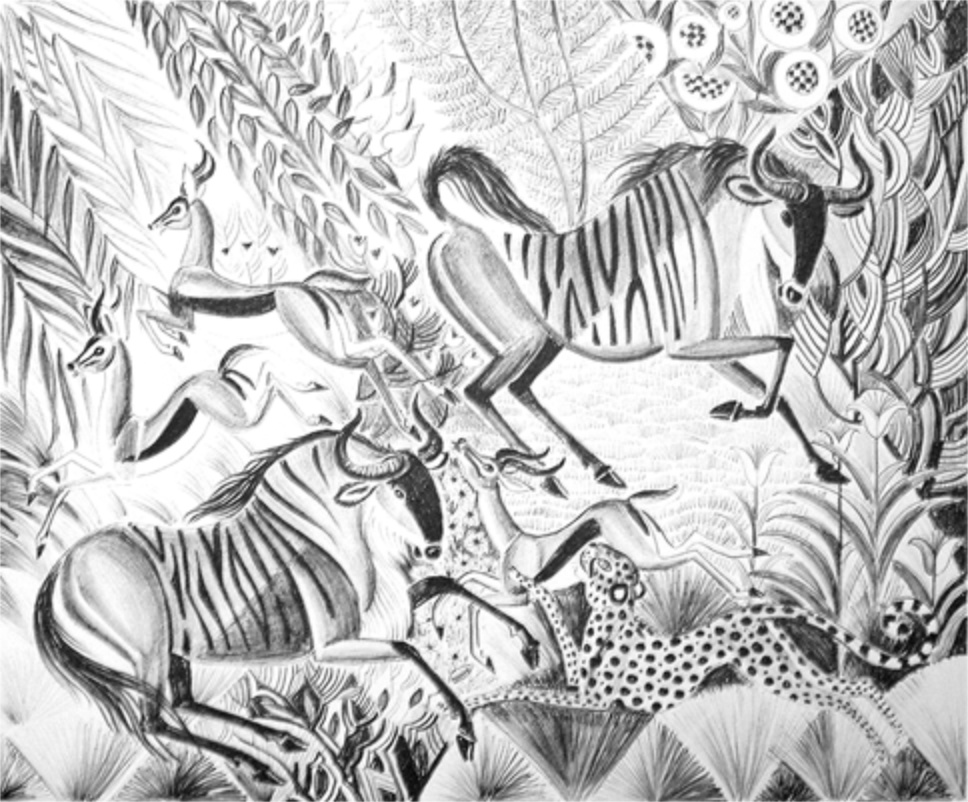
Silver Nyika, 1983, 1995.37.5 -
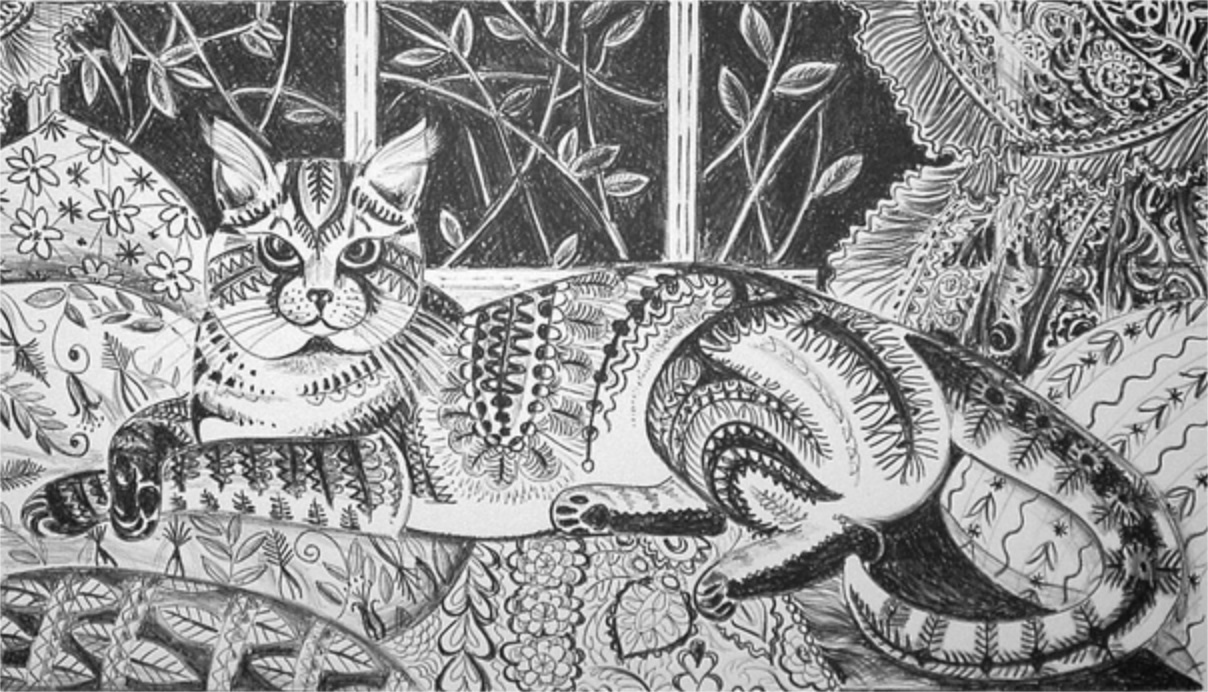
Odalisque, 1987, 1995.37.11 -

Jaguar and Toucans, 2009, 2010.1.2 -
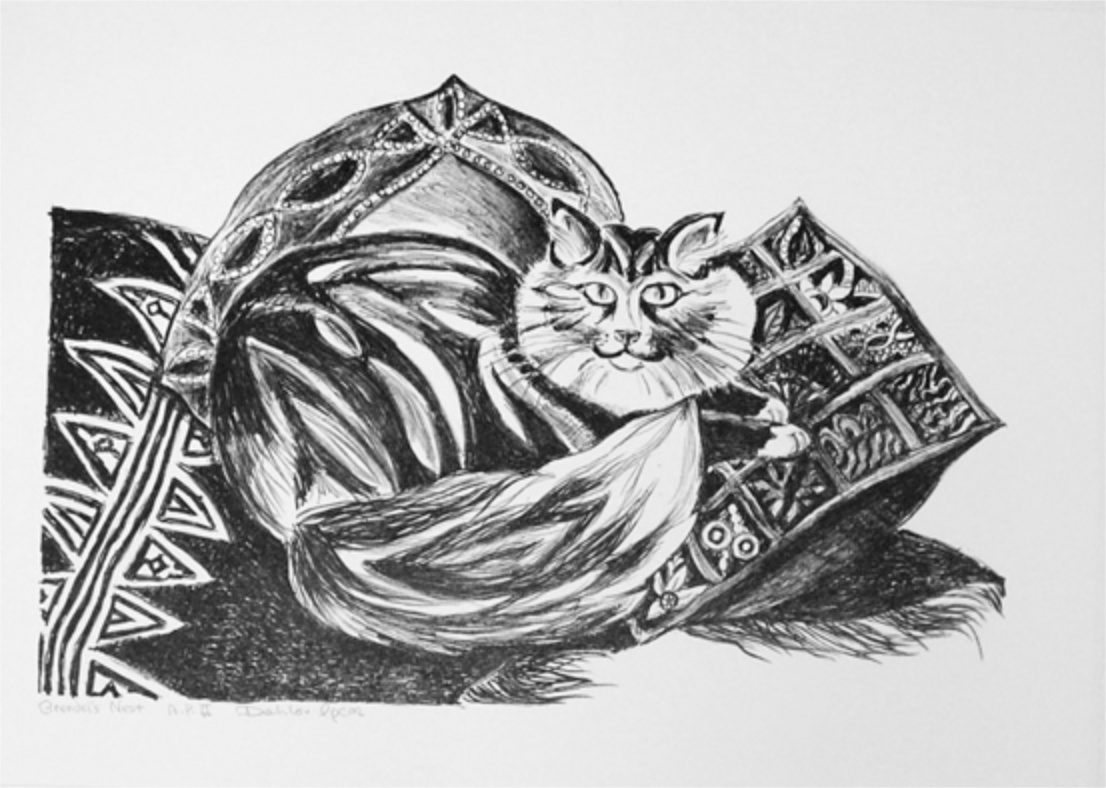
Grendel's Nest, 2007, 2010.1.1